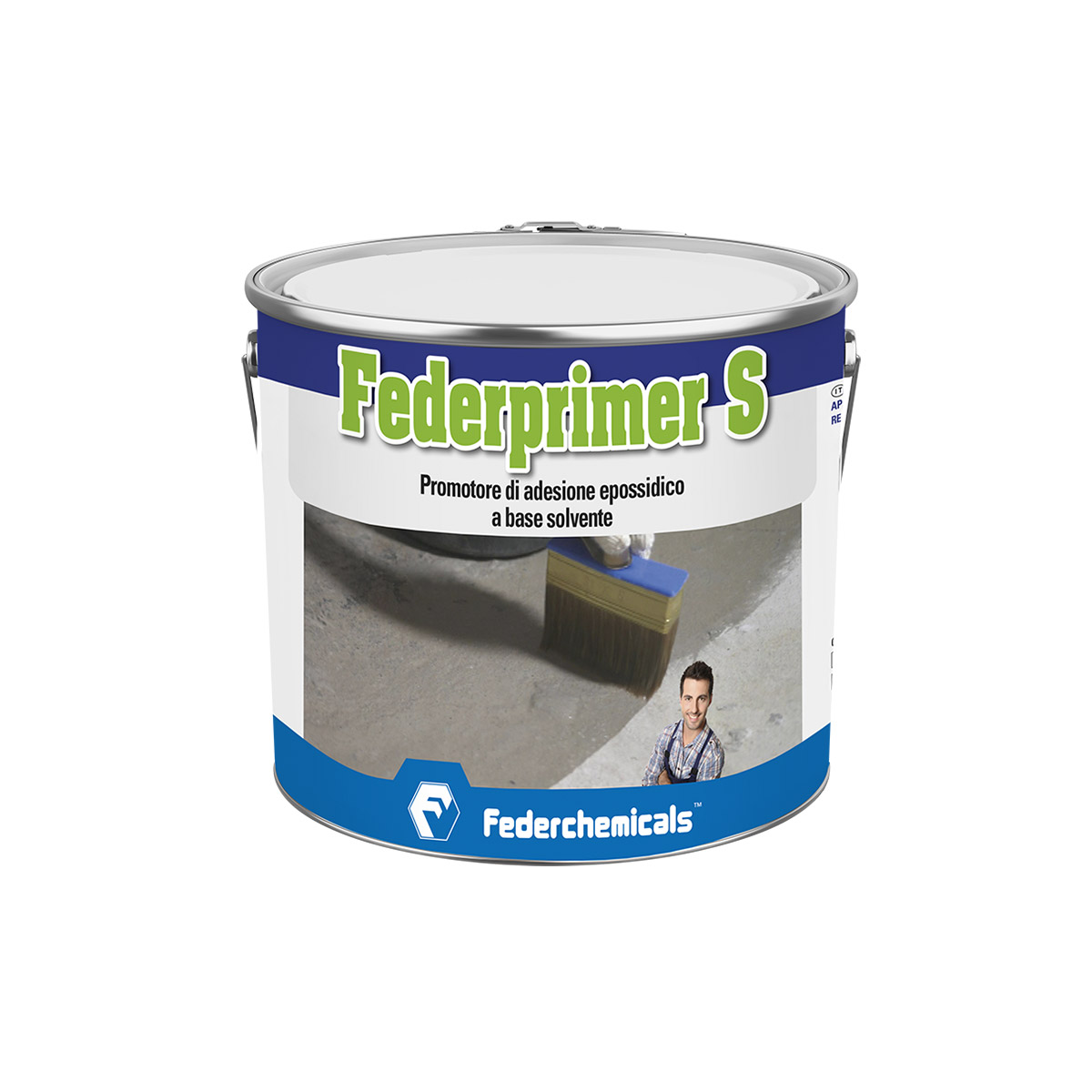

Description
HOW TO USE
PREPARATION OF THE SUPPORT: the surfaces to be treated must be dry and above all clean, any dirt residue would prevent the correct absorption of the product and would fix any stains permanently.
PREPARATION OF THE SUPPORT: pour component B into the container of component A and mix the two components carefully with a low-speed drill until a smooth, lump-free product is obtained.
APPLICATION: The two-component product to be mixed at the moment of use. Apply preferably by spray, air-less or brush at temperatures between +10°C and
+30°C. The application must be carried out by going over the same point several times in order to allow the product time to penetrate. In the case of treating surfaces that will subsequently be coated with other treatments, it is necessary to ensure that the product has penetrated to the desired thickness and to avoid excesses that would leave the surface shiny and therefore unsuitable to receive other treatments directly. In this case of excess formation, it can be removed with solvent or, if the product is hardened, by sanding. The applied product does not modify the fire reaction class of the concrete. The loss of the characteristics provided by the product would be affected exclusively if the temperature of the entire flooring or in any case of the treated support exceeded the working temperature of the product.
| TECHNICAL DATA | |
|---|---|
| Color | Transparent |
| Viscosity | 4 ± 2 mPa s |
| Specific weight | 0.92 ± 0.05 g/cm3 |
| Catalysis ratio | 100 Comp A – 100 Comp B |
| Useful life at 25°C | 5 hours |
| Product yeld | From 60 to 80gr/m2 depending on the depth |
| Active substance | 33% |
| Start of consolidation | 24:48 hours |
| Complete hardening | 7 days |
INDICATIVE COVERAGE
Approximately 60/80g/m2 depending on the depth of impregnation and the type of porosity of the substrate.
STORAGE
The shelf life of the product is 12 months from the date of the delivery note, provided that the material is stored indoors, in a sealed can and protected from heat sources and frost. If the material has been kept beyond the recommended shelf life, it is not necessarily unusable, but a quality control must be performed beforehand on the characteristics pertaining to the application.