
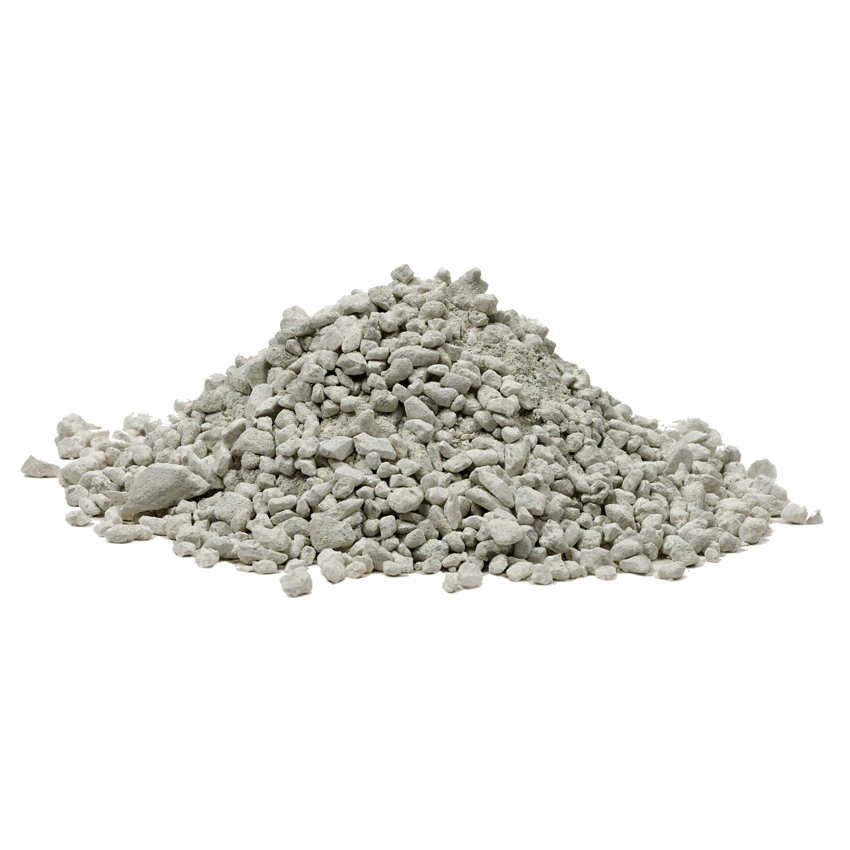

Description
HOW TO USE
The preparation of the surfaces to be treated is very important for the success of the work we are going to do; first of all, it is advisable to clean the surface to be sanded thoroughly from all those construction site residues such as: gravel, nails, etc. If you have sanded with a traditional machine and with traditional abrasives, after having passed at least the 3/4 gr, even better if you also pass the 600 gr, you must use. The MARMOLUX polish in the coarse grain version on the floor, on this you must apply a soft sponge and then the machine, well aligned. You will go to open the water valve slightly and begin the polishing. The MARMOLUX polish in contact with the water and the marble will have to create a mush, with which we will polish. It must never be too dry, because it would not allow the machine to flow, nor should it be too liquid because it would not allow the polish to have the right chemical reaction. If too little water has been used and the polished surfaces have lapped, simply go over the area again with the same amount of water but open the valve more. When the paste is finished, simply add more new polish without removing the remaining polish. MARMOLUX polish has been created so as to never burn the material, even in working conditions with very high temperatures. If you have sanded with a traditional machine but with diamond tools, you can polish after using gr 400, even better if you use gr 800. A film of product will remain on the floor; it is advisable to remove the film from a small area using a rag, in order to check the level of polish obtained and, if necessary, repeat the operation. At the end of the polishing treatment, it is advisable to remove all the film, using a neutral detergent such as: DETERGON R3 or BIOSAN. It is recommended to rinse very well with clean water.
STORAGE
The product must be stored in the original containers, hermetically sealed, at temperatures between 0 and 30°C, protected from direct sunlight. In these conditions the product has a shelf life of 12 months from the date of the delivery note. If the material has been kept beyond the recommended storage stability period, it is not necessarily unusable but a quality control must be carried out beforehand on the characteristics relevant to the application.